The Wallace Line
A Bio-geographical Marvel
The Wallace Line is one of the most significant and fascinating biogeographical boundaries on Earth – an invisible line running through Southeast Asia that dramatically separates two distinct biological worlds. Despite being completely imaginary and existing only on maps, its influence on species evolution and distribution is profoundly real.^1
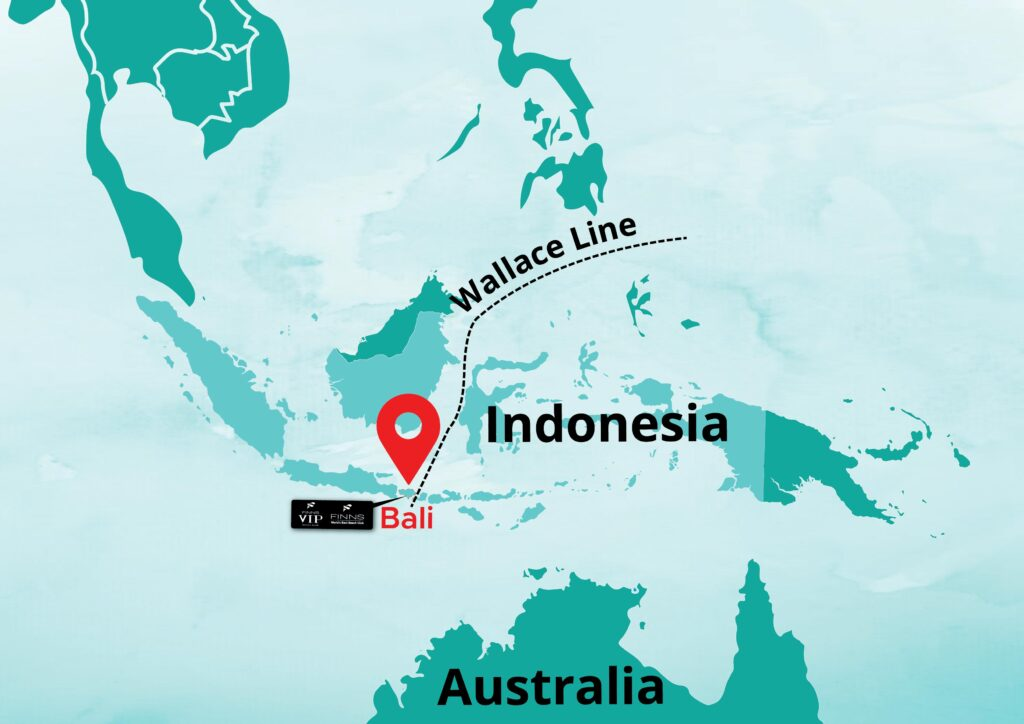
Map showing the Wallace Line’s location near Bali in Indonesia, marking a biogeographical boundary between Asia and Australasia.
Discovery and Historical Background
The line is named after Alfred Russel Wallace (1823-1913), a British naturalist who independently developed the theory of evolution by natural selection alongside Charles Darwin. Wallace was a self-taught explorer from humble origins who left school at age 14 due to financial constraints, unlike his more privileged contemporary Darwin.^1^4
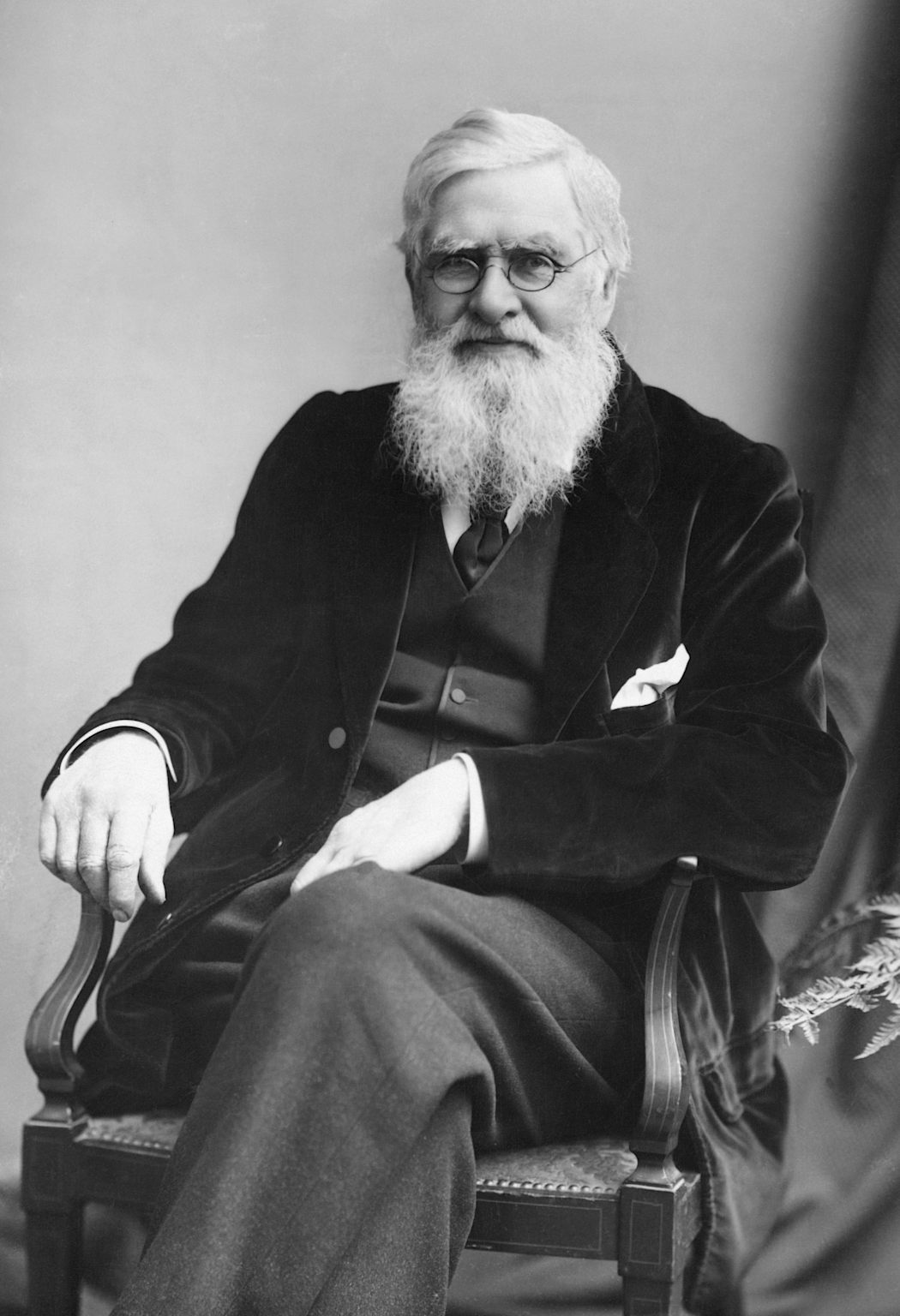
Alfred Russel Wallace, 19th-century naturalist associated with the Wallace Line biogeographical boundary.
During his extensive travels through the Malay Archipelago from 1854 to 1862, Wallace made a remarkable observation that would reshape our understanding of biogeography. He noticed an extraordinary and abrupt division in animal life between closely situated islands – a pattern so striking it seemed as if an invisible barrier prevented species from crossing between them.^1^6
Wallace traveled approximately 14,000 miles within the archipelago and collected over 125,000 specimens of natural history, including mammals, reptiles, birds, shells, and insects. His meticulous observations led him to propose this faunal boundary line in 1859, though the term “Wallace’s Line” was actually coined by English biologist Thomas Henry Huxley in 1868.^7^1
Geographic Location and Definition
The Wallace Line runs through Indonesia, specifically:
- Through the Lombok Strait between Bali and Lombok (separated by only 35 kilometers or 22 miles)^1
- Down the Makassar Strait between Borneo and Sulawesi^10
- Extending from the Indian Ocean through to the Philippine Sea, south of Mindanao^11
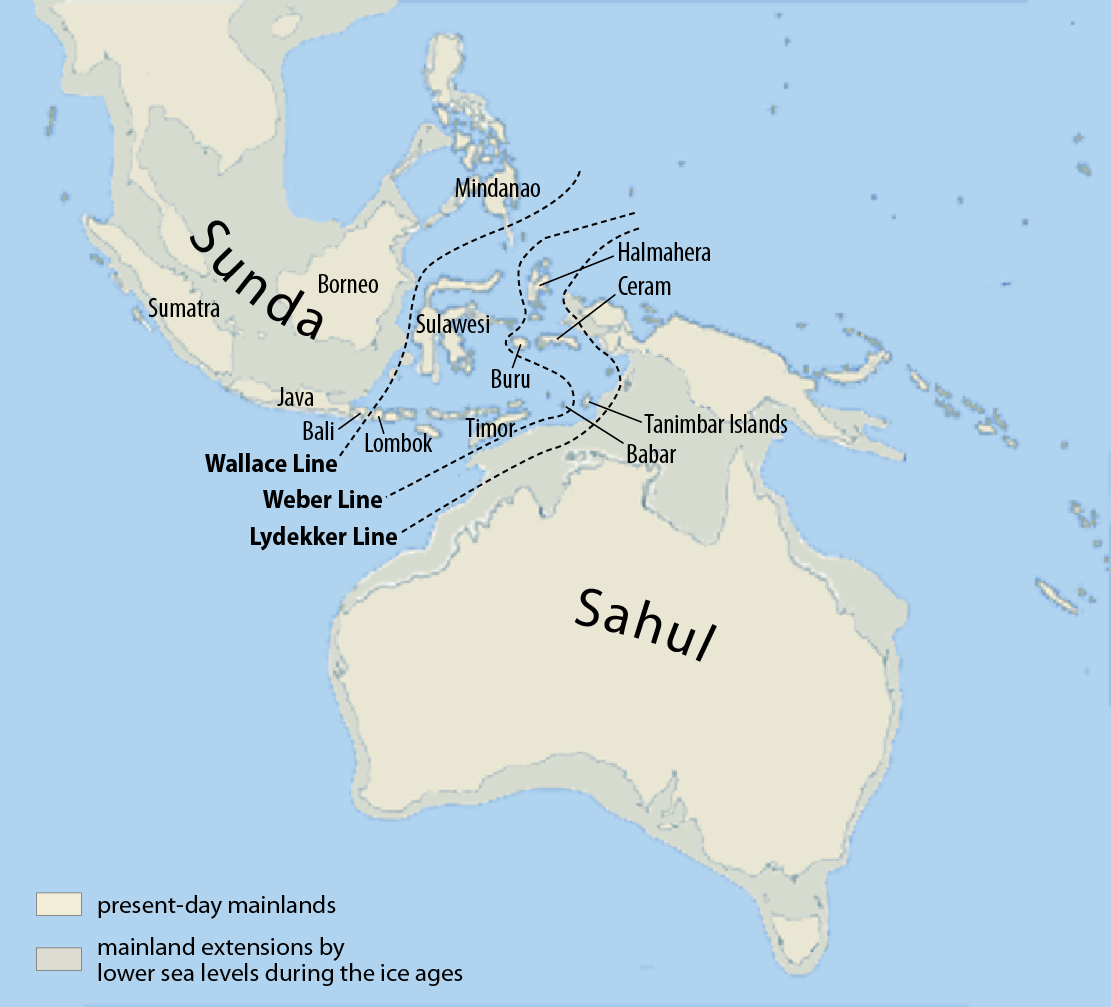
Map showing the Wallace Line and related biogeographical boundaries between the Sunda and Sahul shelves in Southeast Asia and Australasia during lower sea levels.
What makes this boundary remarkable is the dramatic biological contrast across such a narrow water gap. To the west of the line, islands like Bali, Java, Sumatra, and Borneo host organisms closely related to Asian species – including elephants, tigers, rhinoceros, orangutans, and Asian birds like thrushes and woodpeckers. To the east, on islands like Lombok, Sulawesi, and New Guinea, the fauna is predominantly Australian in character, featuring marsupials, monotremes, cockatoos, parrots, and other Australasian species.^1^12
The Geological Foundation
The Wallace Line corresponds precisely to major geological features that explain its existence. It traces deep-water channels that separate two massive continental shelves:^1
Sunda Shelf (Western Side)
- A southeastern extension of the Asian continental shelf^14
- Connects Borneo, Bali, Java, and Sumatra underwater to mainland Southeast Asia^1
- Shallow seas averaging less than 330 feet (100 meters) deep^15
- During ice ages, when sea levels dropped by up to 120 meters, these areas formed a continuous landmass called Sundaland^16
Sahul Shelf (Eastern Side)
- Part of the Australian continental shelf^17
- Connects Australia to New Guinea and adjacent islands^17
- During glacial periods, this shelf was exposed as dry land connecting Australia and New Guinea^18
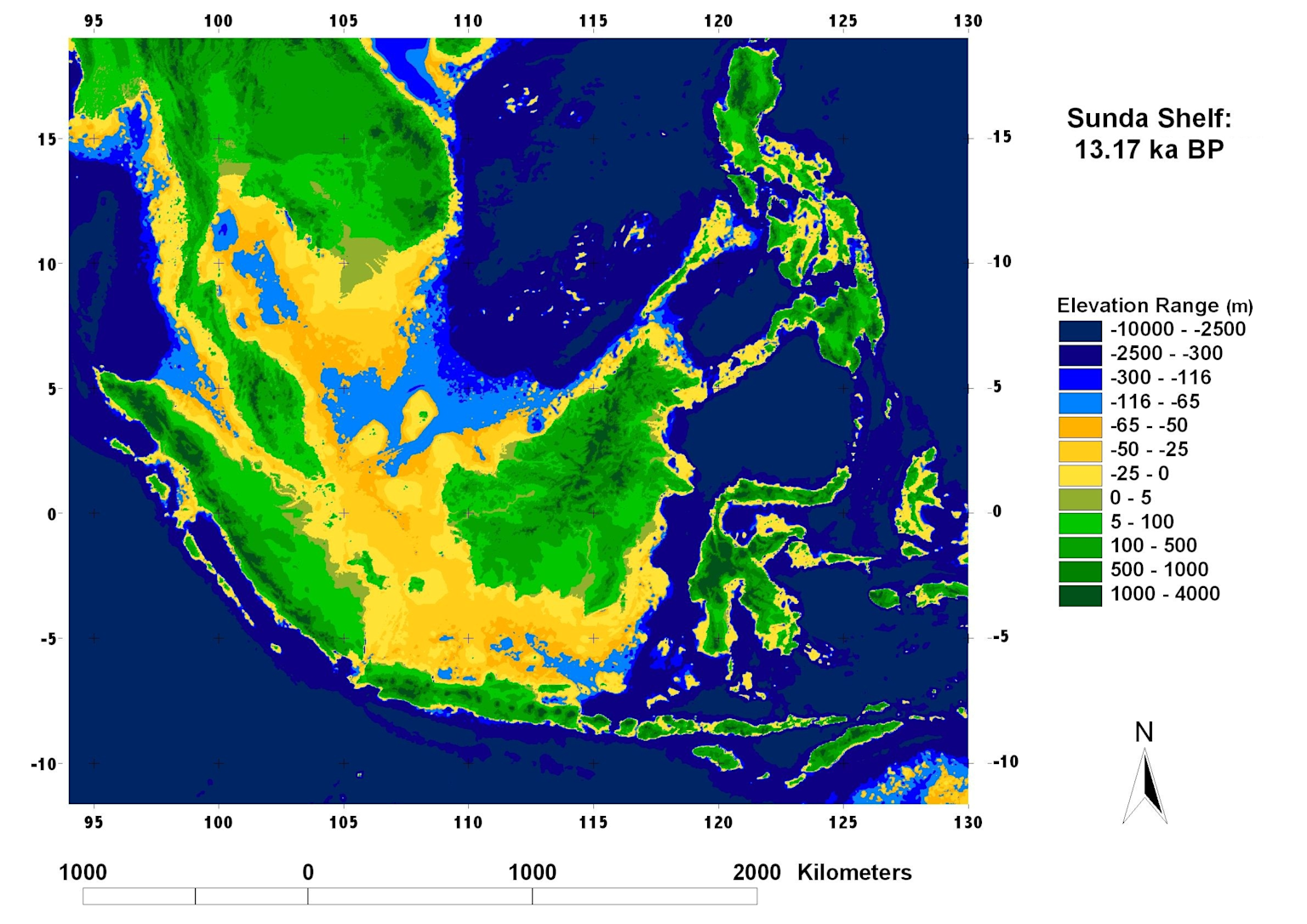
Elevation map of the Sunda Shelf region at 13.17 ka BP showing land and sea distribution relevant to the Wallace Line in Southeast Asia.
The Pleistocene glacial cycles played a crucial role in shaping the Wallace Line. During ice ages over the past 2 million years, when enormous amounts of water were locked in glaciers, sea levels dropped significantly. This exposed both the Sunda and Sahul shelves as dry land, allowing species to migrate freely within each continental region. However, the deep waters between these shelves – some reaching 250+ meters in depth – never fully drained, maintaining the barrier between Asian and Australian fauna.^9^19
Species Examples and Patterns
The Wallace Line demonstrates remarkable consistency across multiple animal groups:
Western (Asian) Side:
- Mammals: Tigers (extinct on Bali since the 1930s), elephants, rhinoceros, orangutans, Asian tree shrews^9
- Birds: Thrushes, woodpeckers, barbets, trogons, pheasants, jungle fowl^9
- Other fauna: Various Asian-origin species adapted to tropical rainforest environments^16
Eastern (Australian) Side:
- Mammals: Marsupials like cuscus, tree kangaroos, and various endemic species^10
- Birds: Cockatoos, parrots, lories, birds of paradise^10
- Unique fauna: Komodo dragons, various monotremes and Australian-derived species^2
Remarkably, even flying species largely respect this boundary. Many bird species, despite their mobility, rarely cross the Wallace Line because they are adapted to specific ecological niches and food sources. The distributions of many bird species observe the line precisely, since many birds avoid crossing even small stretches of open ocean water.^12^22
Only a few species cross the Wallace Line, most notably the crab-eating macaque, which is found on both sides and represents